
-
Flea collar for small dogs
Regular price $21.00 USDRegular priceUnit price per$28.00 USDSale price $21.00 USDSale -
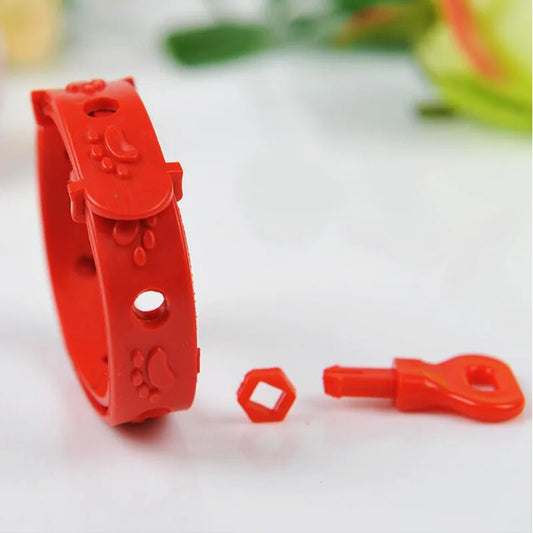 Sale
SalePuppy flea collar
Regular price $21.00 USDRegular priceUnit price per$28.00 USDSale price $21.00 USDSale -
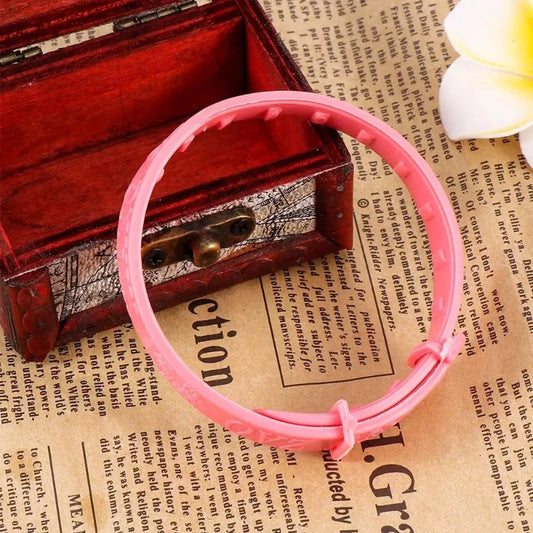 Sale
SalePink flea collar
Regular price $21.00 USDRegular priceUnit price per$28.00 USDSale price $21.00 USDSale -
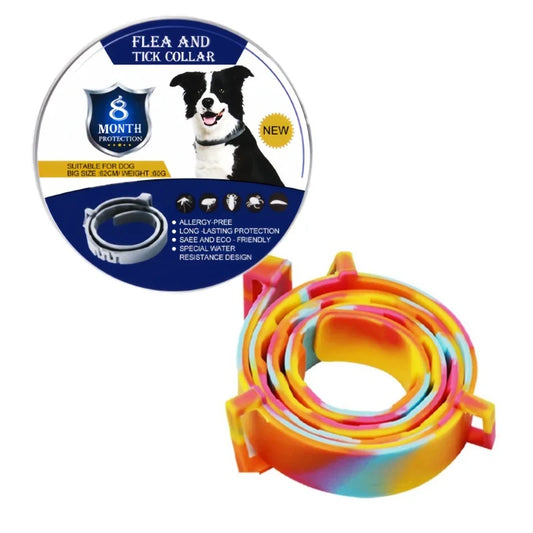 Sale
SaleSilicone pet collar
Regular price $21.00 USDRegular priceUnit price per$28.00 USDSale price $21.00 USDSale -
Small dog flea collar
Regular price $21.00 USDRegular priceUnit price per$28.00 USDSale price $21.00 USDSale -
Large dog flee collar
Regular price $21.00 USDRegular priceUnit price per$28.00 USDSale price $21.00 USDSale -
Silicone flea and tick collar
Regular price $21.00 USDRegular priceUnit price per$28.00 USDSale price $21.00 USDSale -
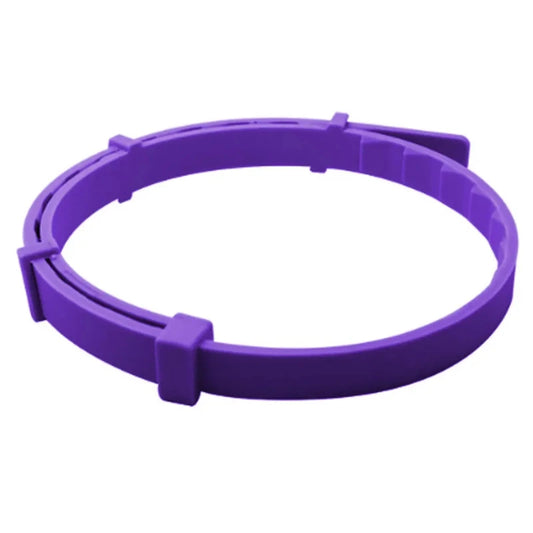 Sale
SalePurple flea collar
Regular price $21.00 USDRegular priceUnit price per$28.00 USDSale price $21.00 USDSale -
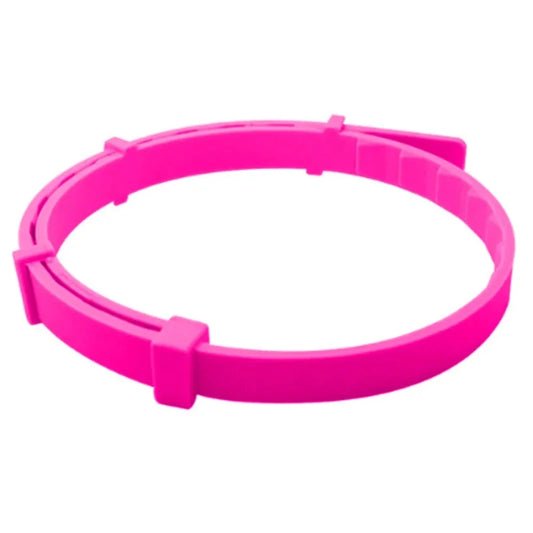 Sale
SalePlastic flea collar
Regular price $21.00 USDRegular priceUnit price per$28.00 USDSale price $21.00 USDSale -
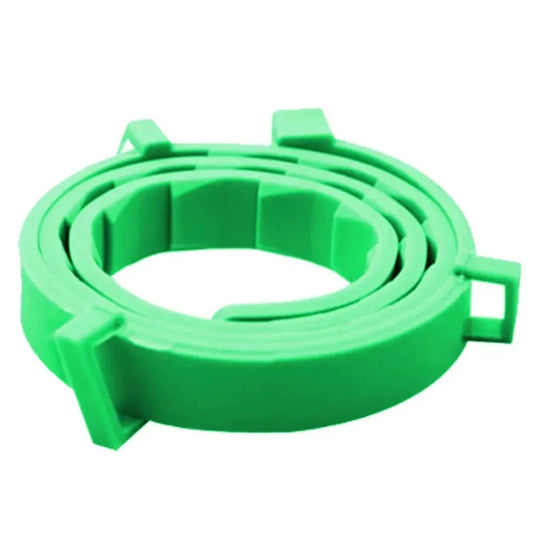 Sale
SaleGreen flea collar
Regular price $21.00 USDRegular priceUnit price per$28.00 USDSale price $21.00 USDSale -
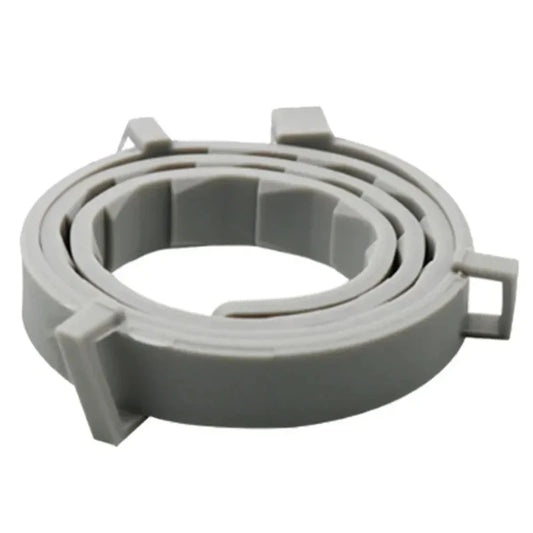 Sale
SaleGrey flea collar
Regular price $21.00 USDRegular priceUnit price per$28.00 USDSale price $21.00 USDSale -
Preventic flea collar
Regular price $21.00 USDRegular priceUnit price per$28.00 USDSale price $21.00 USDSale -
Adjustable flea collar
Regular price $21.00 USDRegular priceUnit price per$21.00 USDSale price $21.00 USD -
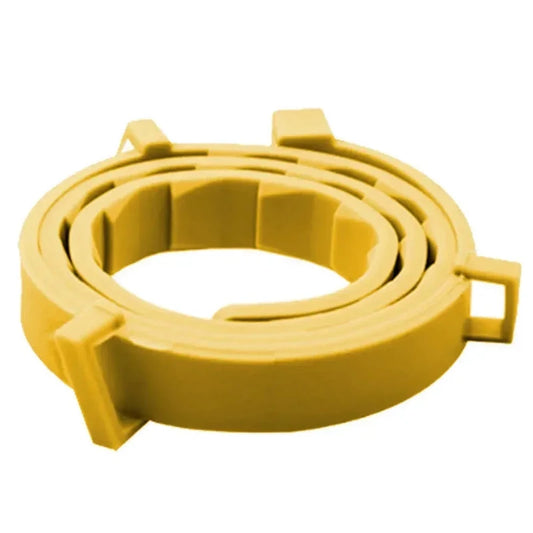 Sale
SaleSoft flea collar
Regular price $21.00 USDRegular priceUnit price per$28.00 USDSale price $21.00 USDSale -
Lightweight flea collar
Regular price $21.00 USDRegular priceUnit price per$28.00 USDSale price $21.00 USDSale -
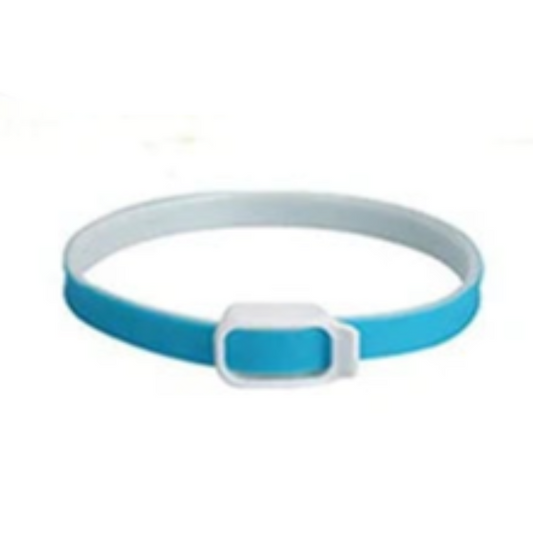 Sale
SaleFlea and tick collar
Regular price $21.00 USDRegular priceUnit price per$28.00 USDSale price $21.00 USDSale

Getting the Size Right
Have a look at the measurements rather than going by the photograph alone.
An adjustable collar gives you some room to alter the fit. This is particularly worth remembering with puppies and small dogs. A fairly ordinary collar can turn out to be much longer than expected.
Some collars may also have excess length once they have been fitted. What you do with that part can depend on the product, so follow the instructions supplied with the collar.
A Flea Collar Isn't Just a Normal Collar
Although it sits around the neck, a flea collar is a different product from the everyday collar you might attach a lead or ID tag to.
That sounds obvious, but it matters when comparing products.
Different flea collars may use different ingredients and may come with their own directions for wearing, storage and replacement. We would not assume information from one collar applies to another.
If the listing gives specific instructions, use those for the product you have bought.
It is also worth keeping the packaging rather than throwing it away straight after opening.
When It First Goes On
A dog may notice a new collar for no more complicated reason than it feels or smells different.
If your dog keeps scratching at it or something doesn't look quite right, take it off and go back to the product instructions.
Don't assume scratching simply means the dog is “getting used to it”. Equally, a dog ignoring the collar doesn't tell you anything about how the product itself is performing.
It is better to stick to what you can actually see: the fit, the condition of the collar and how your dog reacts to wearing it.
Rain, Baths and Swimming
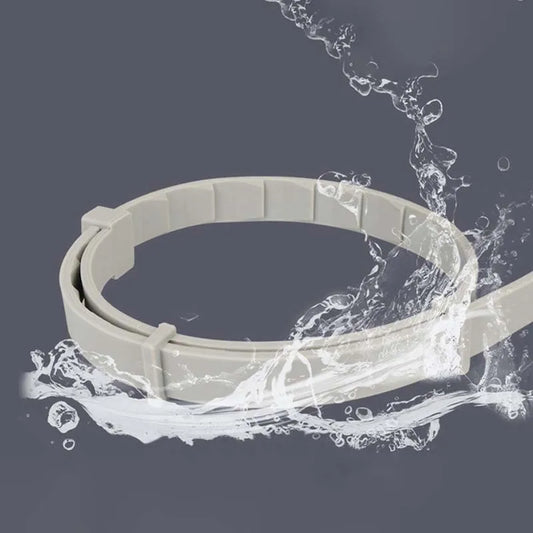
Water is another area where it is best not to generalise.
Some product descriptions may give specific information about water, bathing or swimming. Others may have different directions.
If your dog is regularly in and out of water, read that part of the listing before buying. A collar being sold for everyday use does not automatically tell you what happens when it gets wet.
The instructions supplied with the actual product should take priority.
Keep an Eye on the Collar
A flea collar can easily become one of those things you stop noticing once it has been on for a while.
Every so often, have a look at it.
You are mainly looking for ordinary physical problems. A damaged fastening, a split section, stretching or anything else that makes the collar look noticeably different from when it was new.
Growing puppies are worth checking a little more often simply because their neck size can change.
There is no need for an elaborate routine. A quick look while you are brushing your dog or sorting out their usual collar is enough to notice obvious wear.
What Are You Actually Getting?
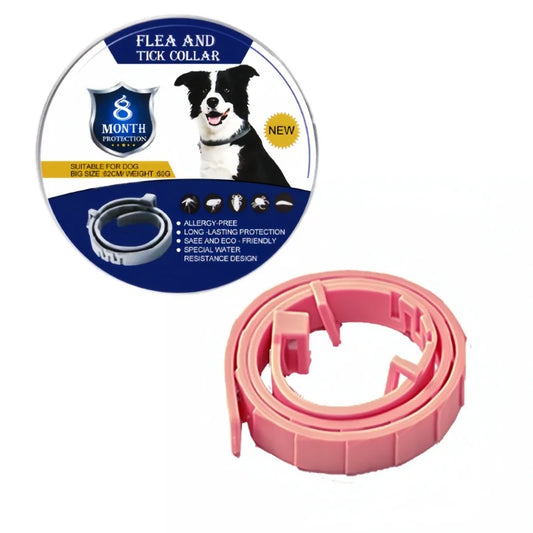
Do not rely too heavily on the photographs when it comes to quantity.
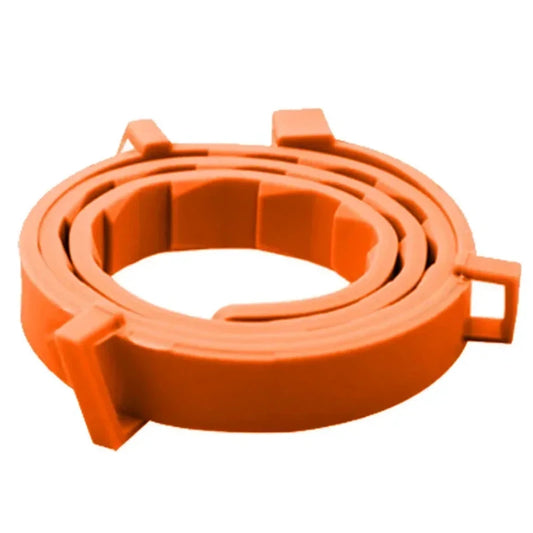
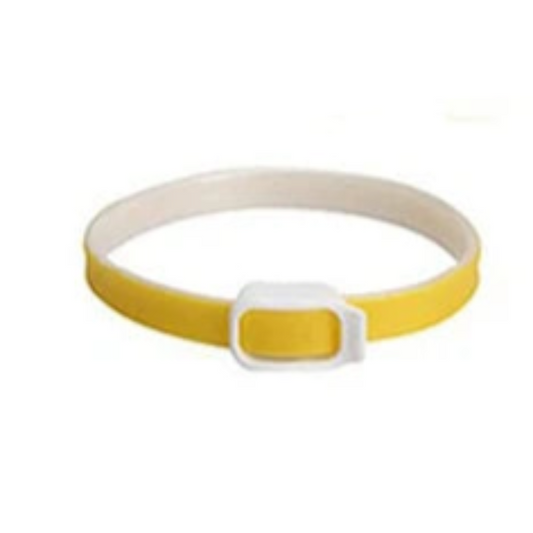
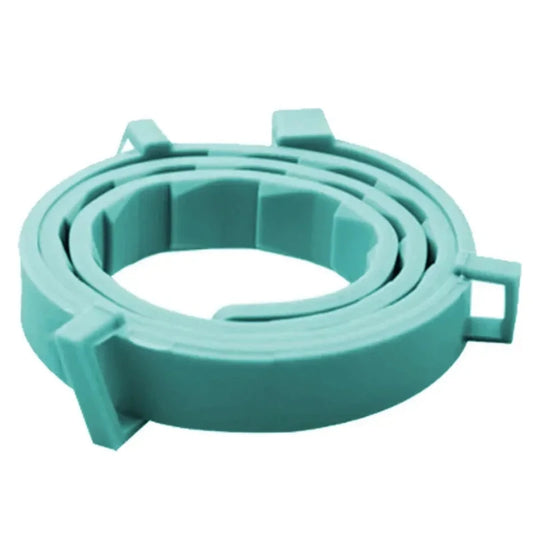
Sometimes the same collar is pictured several times to show different angles. You might also see packaging or other items beside it that are there for display.
The written description should tell you whether the listing is for one collar or more than one.
Colours can cause the same confusion. If several appear in the photographs, make sure the colour you want is actually the version being sold or selected.
Comparing the Different Flea Collars
Start with the boring bits. They are usually the most useful.
Does the size suit your dog? How does it fasten? What does the listing say about the particular collar?
Once those things are sorted, colour and appearance can help you choose between similar options.
What we would avoid is treating every dog flea collar as though it were the same product. Two collars can look almost identical and still come with different ingredients or directions.
A minute spent reading the individual listing will usually tell you far more than the front photograph.