-
Small dog slip collar
Regular price $28.00 USDRegular priceUnit price per -
 Sale
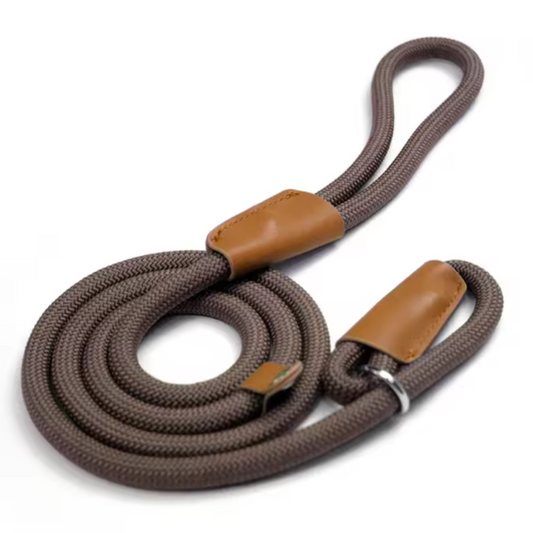
SaleString slip collar
Regular price $28.00 USDRegular priceUnit price per$35.00 USDSale price $28.00 USDSale -
 Sale
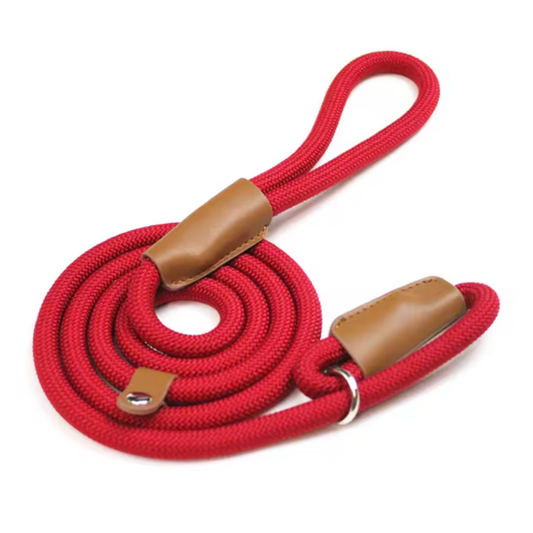
Sale4mm slip collar
Regular price $25.00 USDRegular priceUnit price per$35.00 USDSale price $25.00 USDSale -
Rope slip collar for dogs
Regular price $28.00 USDRegular priceUnit price per$41.00 USDSale price $28.00 USDSale -
No slip dog collar with buckle
Regular price $25.00 USDRegular priceUnit price per$35.00 USDSale price $25.00 USDSale -
 Sale
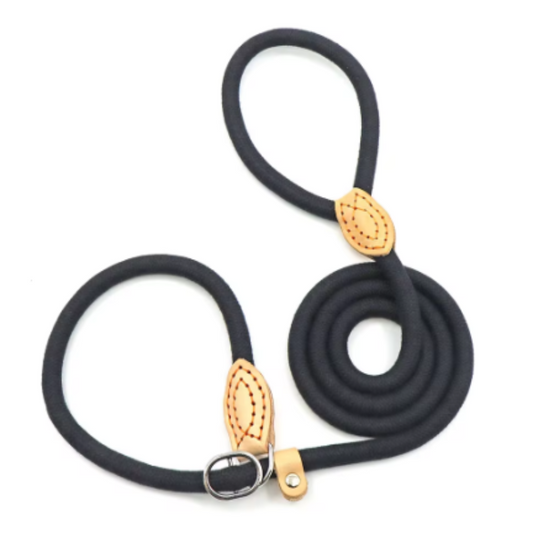
SaleNon slip dog collar
Regular price $25.00 USDRegular priceUnit price per$35.00 USDSale price $25.00 USDSale -
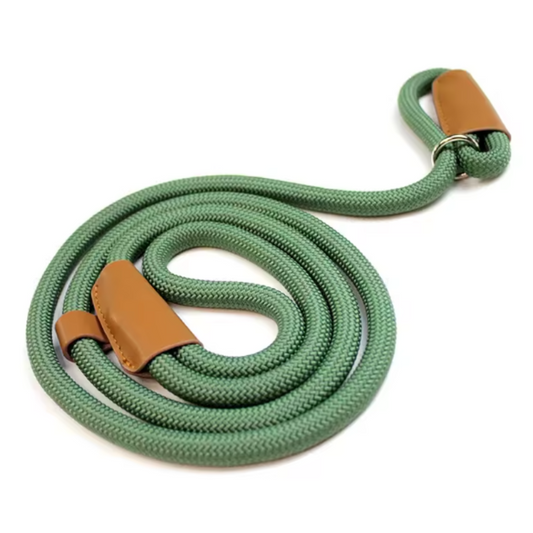
No slip collar for pitbulls
Regular price $32.00 USDRegular priceUnit price per$41.00 USDSale price $32.00 USDSale -
 Sale
SaleFull slip collar
Regular price $28.00 USDRegular priceUnit price per$35.00 USDSale price $28.00 USDSale -
Dog slip collar with stopper
Regular price $28.00 USDRegular priceUnit price per$35.00 USDSale price $28.00 USDSale -
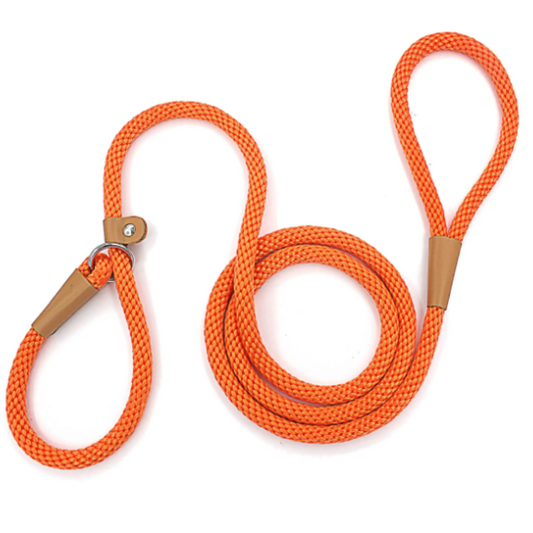
Nylon slip dog collar
Regular price $28.00 USDRegular priceUnit price per$35.00 USDSale price $28.00 USDSale -
 Sale
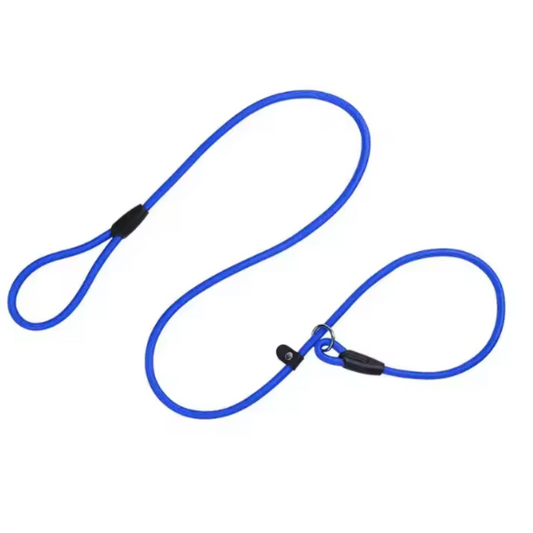
SaleK9 slip collar
Regular price $28.00 USDRegular priceUnit price per$35.00 USDSale price $28.00 USDSale -
 Sale
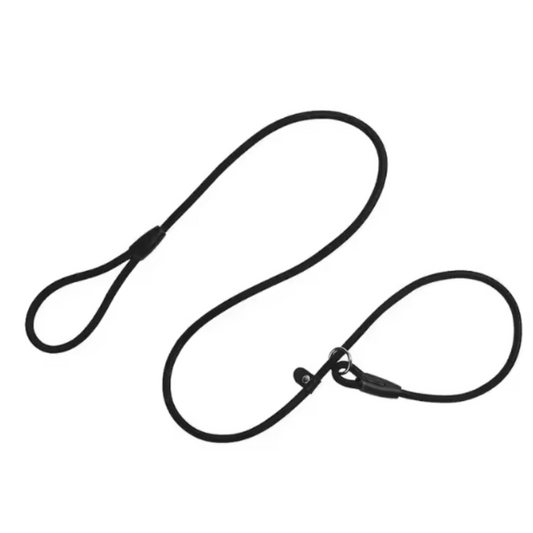
SaleSlip choke collar
Regular price $28.00 USDRegular priceUnit price per$35.00 USDSale price $28.00 USDSale -
 Sale
SaleSlip knot dog collar
Regular price $28.00 USDRegular priceUnit price per$35.00 USDSale price $28.00 USDSale -
 Sold out
Puppy slip collar
Regular price $0.00 USDRegular priceUnit price per -
Slip collar for large dogs
Regular price $28.00 USDRegular priceUnit price per$35.00 USDSale price $28.00 USDSale -
Collar dog can't slip out of
Regular price $25.00 USDRegular priceUnit price per$35.00 USDSale price $25.00 USDSale
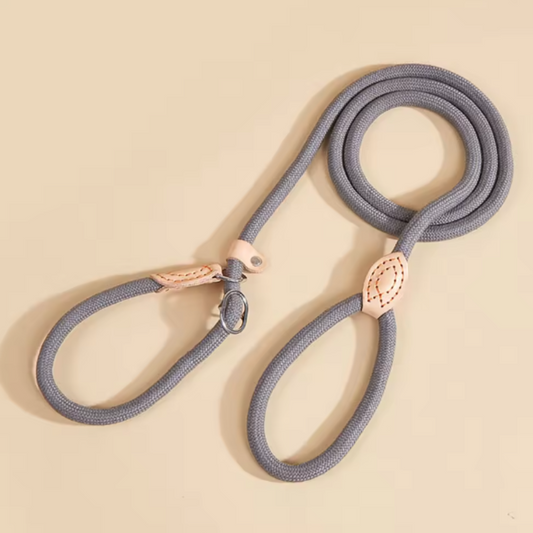
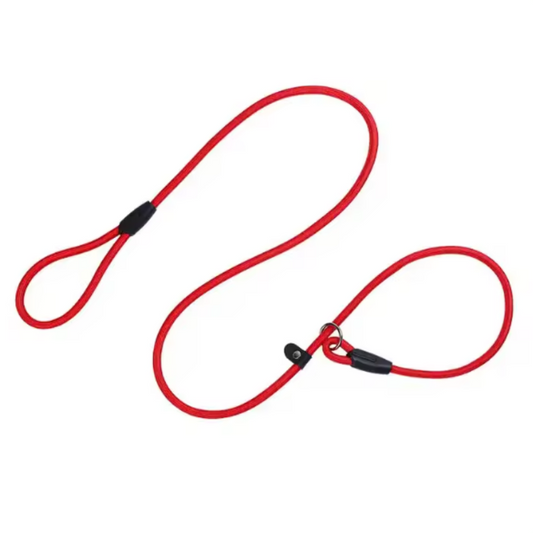
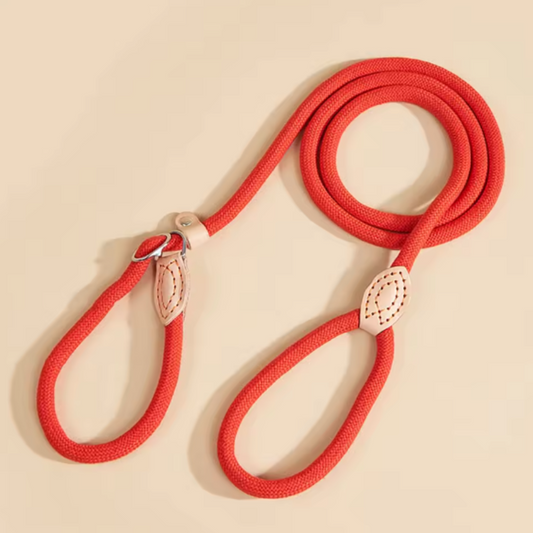
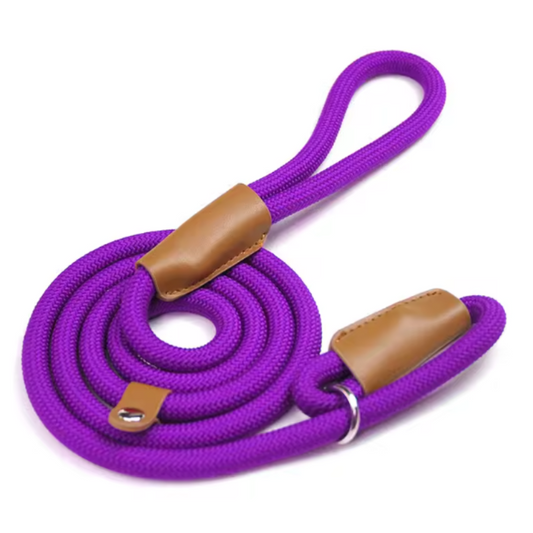
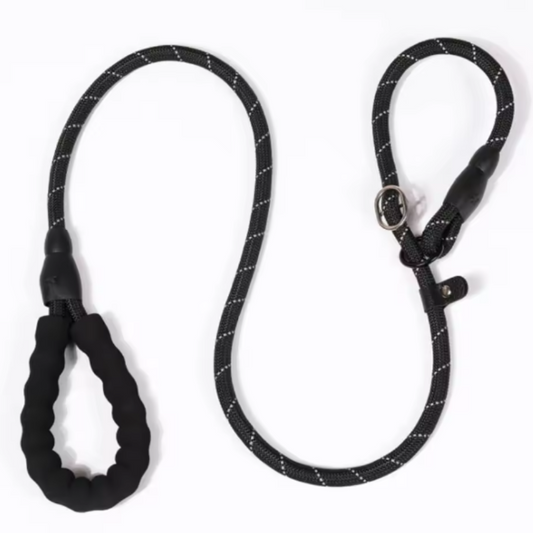
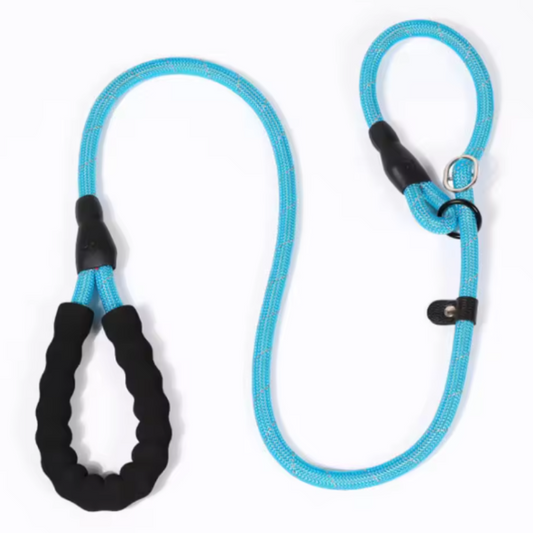
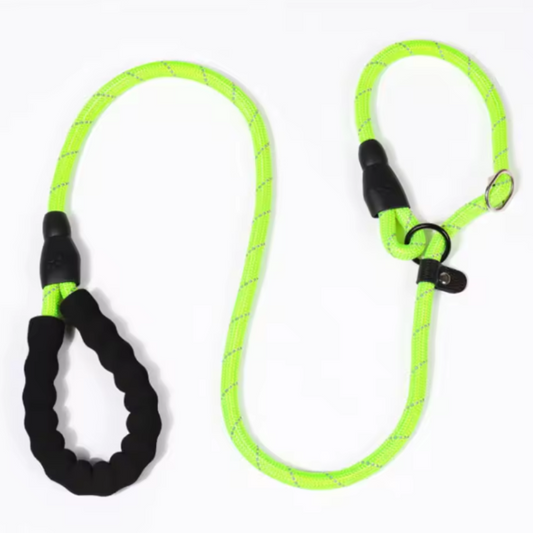
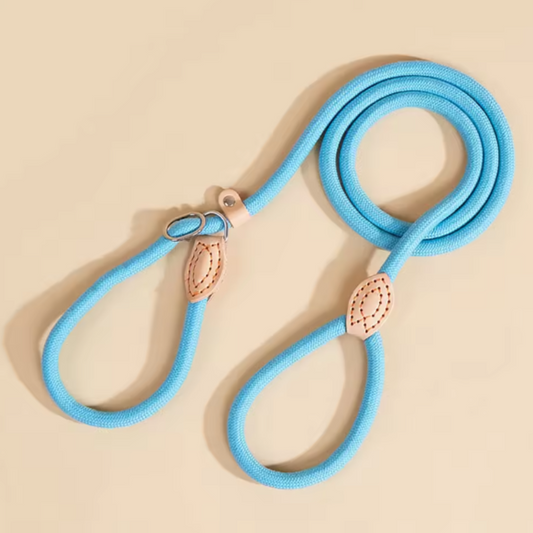
Slip dog collars have a simple design. Instead of opening a buckle or quick-release clip, the collar passes over the dog's head and changes size as it moves through the metal ring.
That makes them quite different from an ordinary fixed collar. There are fewer fastenings to deal with, but the way the collar fits and moves around the neck is more important, so it is worth looking closely at the individual product before buying.
How a Slip Collar Works
A slip collar forms a loop around the dog's neck. As tension is applied through the lead, the loop becomes smaller. When that tension is released, it can loosen again.
There is no separate buckle to open each time you put it on. The collar is placed over the dog's head and removed in the same way.
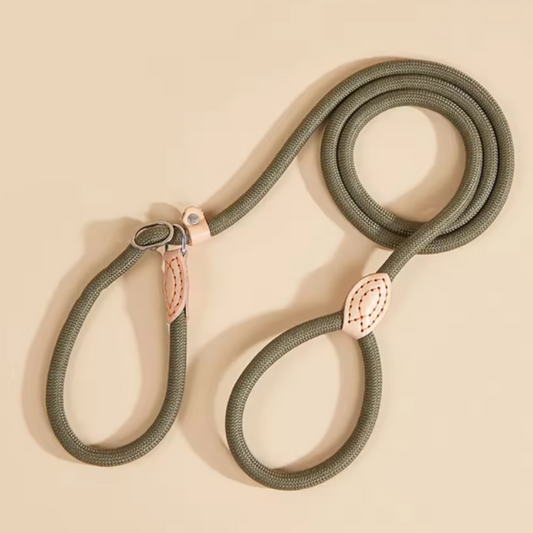
Although the basic idea is straightforward, individual collars can differ in their construction. Have a look at the photographs as well as the written description, particularly around the rings, joining points and any adjustable parts.
Materials and Construction
Some of the slip collars in this collection are made from nylon, while braided construction may also be used on certain designs.
The thickness of the collar can make quite a difference to how substantial it looks and feels. A narrow slip collar will have a very different appearance from a heavier braided version, even though both use the same basic over-the-head design.
Metal rings are commonly used where the collar and lead connect. Check the individual listing for the exact material, hardware and construction rather than assuming that every slip collar on the page is made in the same way.
Check the Size Before Ordering
Because the collar needs to pass over the head, the measurements deserve a little more attention than they might with a collar that opens completely.
Do not choose purely by breed or by whether a dog is described as small, medium or large. Dogs of a similar overall size can still have different neck and head measurements.
Use the measurements shown on the individual product page and compare them with your dog before ordering.
The photographs are useful for seeing the general width and construction, but they are not a reliable way of judging size on their own.
Slip Collars for Everyday Walks
Some owners choose this style because there is no buckle to fasten before a walk. Once you are familiar with the design, it is fairly quick to put over the head and attach to a lead.
If you are buying one for a specific type of handling or training, the physical construction and correct use matter more than claims about what the collar will teach a dog.
Rings, Braiding and Other Details
It is worth looking beyond the colour when comparing different collars.
The metal rings are an obvious place to start. Look at how they are attached and how the collar passes through them.
Braided designs can have a thicker, more rounded appearance, while other versions may use a simpler length of material. The individual photographs should give you a better idea of the texture and thickness.
Colour may still matter, of course. Some people prefer something plain that works with an existing lead, while others want a collar that is easier to pick out amongst other dog equipment.
Is a Slip Collar the Right Type?
A slip collar is quite a specific style. Its main distinguishing feature is the moving loop rather than a fixed buckle or clip.
If that is what you are looking for, compare the available designs by size, width, material and hardware.
If you would rather have a collar that fastens around the neck and stays at a fixed adjusted size, one of the other collar styles on the site may be more suitable.
Whichever type you choose, read the complete product listing before ordering. This is where you will find the measurements and other details for the particular collar shown.